Tesco Deepfake Casino Ads Expose UK Enforcement Gaps
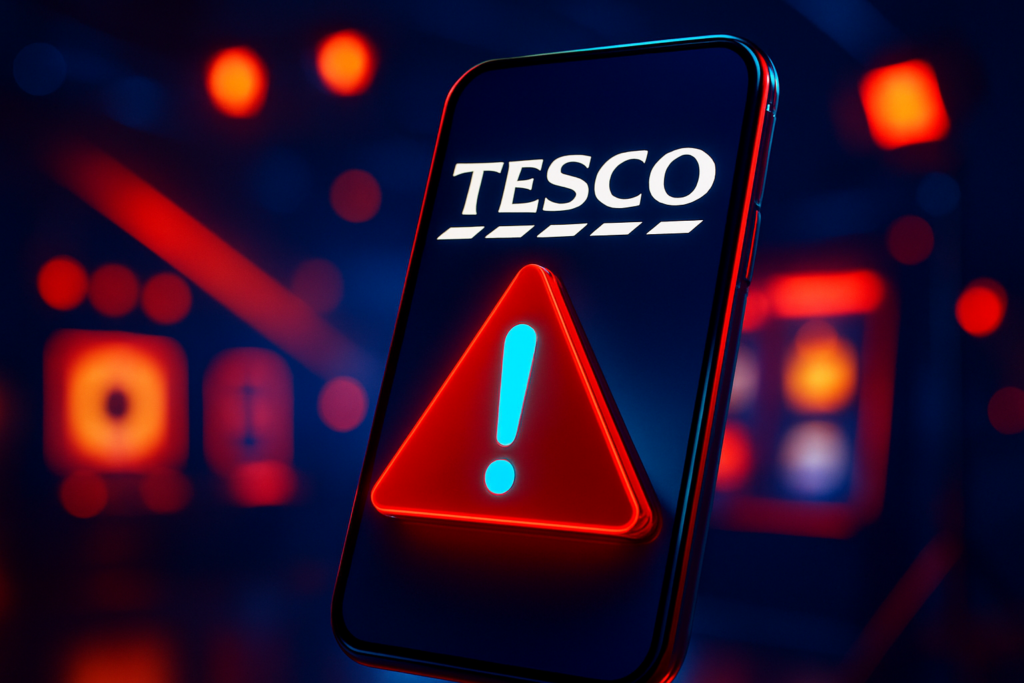
Tesco has reported an unlicensed online casino trading under its name to City of London Police and the National Cyber Security Centre, after adverts using the supermarket’s branding and a string of well-known footballers appeared on Facebook and Instagram. The case, which broke earlier this month following a Guardian investigation, has put fresh pressure on the Gambling Commission and the Advertising Standards Authority (ASA) to show they can actually stop this kind of advertising, rather than simply say they’re aware of it.
What’s actually changed
A Facebook operation calling itself “Tesco Slots” ran adverts and its own dedicated page pushing users to a website that
used the famous red-and-blue branding to apparently try and deceive customers that the supermarket has launched its own casino, falsely claiming that users can use Tesco-exclusive payments infrastructure to gamble, such as the Tesco debit card, Tesco Bank, and Tesco Mobile, and describing itself as bringing the supermarket brand to online casino with rewards on every spin
. The website had
no Gambling Commission licence and no connection to the supermarket whose identity it had borrowed
, and it was
largely unimpeded until a journalist intervened
, with Meta removing the ads only after being contacted by the Guardian.
Tesco is far from alone.
Unlicensed online casinos have used the names and images of major companies and sports stars to promote gambling services to UK consumers, with the campaign following similar cases involving Barclays, Monzo, Coral, Gala Bingo and footballers including Erling Haaland, Jude Bellingham and Bruno Fernandes
. One crypto casino, Rainbet, used a lookalike dressed as a croupier in a Norway shirt to imply an Haaland endorsement, even though
Rainbet is not available to UK users
. Several of the sites involved
claim to be licensed in Curaçao, a haven for online gambling companies that do not have a licence in big economies such as the UK, meaning any which offer their services to British customers are doing so illegally
.
The Gambling Commission’s hands are partly tied on the brand-impersonation angle itself:
the unauthorised use of intellectual property is outside the commission’s remit, though the regulator said it was working with the ASA
. The two regulators sit on a wider
Illegal Gambling Taskforce established by the Department for Culture, Media and Sport, which brings together regulators, the gambling industry and major online platforms including Meta to identify ways to tackle online advertising of illegal gambling, with the Gambling Commission acting as the primary regulator of illegal gambling advertising and the ASA supporting it
. The Commission is also
expecting additional powers from the autumn through the Crime and Policing Bill, which it believes will strengthen its ability to disrupt illegal gambling websites
.
What it means for you
If you bank with Tesco, Barclays or Monzo, or follow footballers like Bellingham, Fernandes or Haaland on social media, treat any gambling advert that name-checks them with suspicion by default. None of these companies or players have any actual gambling tie-up, and none of the athletes named endorsed the sites using their images. A genuine UK casino must hold a Gambling Commission licence, which you can check on the regulator’s public register before depositing anywhere. A Curaçao, Anjouan or similar offshore licence does not entitle an operator to take money from British customers, whatever the advert implies.
Practically, this means the usual safer-gambling protections you’d expect from a licensed UK operator – deposit limits, GamStop enrolment, affordability checks, access to ADR if something goes wrong – simply don’t apply on these sites. If you’ve deposited with a site that turned out to be one of these impersonation casinos, there’s no licensed complaints route available, which is precisely why the Commission and ASA are trying to stop the ads reaching you in the first place.
The bigger picture
The Tesco episode lands squarely inside the wider debate about the UK’s black market for gambling that this site has already been tracking, and it illustrates why enforcement keeps lagging behind the schemes. Entain’s UK and Ireland managing director, Bejay Patel, used the case to renew pressure on the government, arguing these operators are
“exploiting British consumers and legitimate businesses alike and paying no taxes, while some of the world’s largest technology platforms continue to profit from hosting their adverts”
, and calling for tougher action, saying
Ofcom needs to take a harder line on the companies facilitating this activity
. Meta’s own position, as reported, is that
advertisers, not the platform, are responsible for following local gambling rules
– leaving a gap that regulators, brands and platforms are still arguing over who should close.
Sources
- SBC News – Tesco falls victim of illegal gambling adverts
- The Gamblest – Fake casinos impersonate Tesco in UK ads
- The Guardian – Tesco alerts police as supermarket becomes latest victim of scam ‘endorsement’ ads
- iGaming Express – Fake Casinos Impersonate Tesco and Sports Stars
- AlienWP – Fake Tesco Casino Ads Spark UK Police Complaint Over Meta
- World Casino Directory – Tesco Alerts UK Police to Fake Casino Using Its Brand Online
- iGaming Today – Tesco Calls Police as Fake Casino Ads Expose Meta’s Illegal-Gambling Problem