ASA Bans Casino Affiliate Ad Shown to Gambling Help Searchers
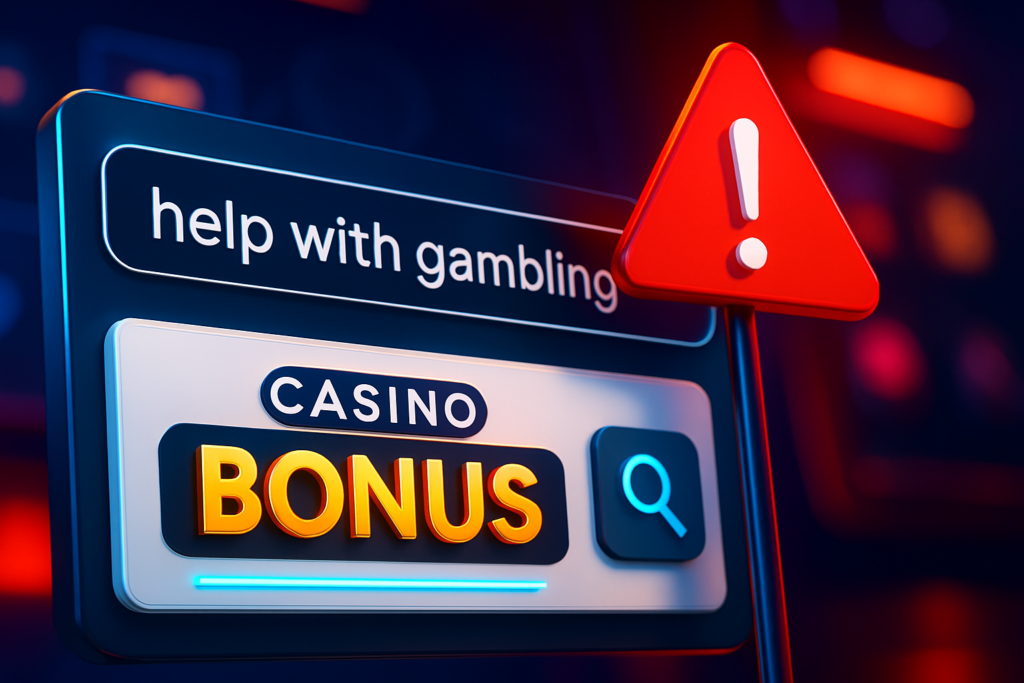
The Advertising Standards Authority (ASA) has upheld a complaint against Smart Gravity Ltd, the company behind the casino comparison site top10onlinecasinoreviews.co.uk, after one of its paid search adverts appeared when a user searched for help with a gambling problem. The ruling, published on 9 September 2026, found the advert breached the advertising rulebook’s social responsibility requirements.
What’s actually changed
The case began when a member of the public complained after seeing a search advert for Smart Gravity’s site appear in response to searching “help with gambling” back on 18 June.
The ASA upheld the complaint, ruling that the ad had not been responsibly targeted and had breached the advertising code’s social responsibility rule.
The advert had promoted the comparison site with language about fast signups and bonus offers – exactly the kind of messaging regulators say has no place in front of someone actively looking for gambling support.
Smart Gravity argued it had no intention or commercial interest in advertising to vulnerable people or those seeking addiction support, and said it used a negative keyword list meant to stop its ads appearing alongside terms linked to gambling addiction, harm or safer gambling, though it hadn’t specifically excluded the phrase “help with gambling”.
The company also said it believed the ad had been served via Microsoft Advertising and that it launched an internal investigation once the complaint was raised.
The regulator wasn’t persuaded.
It said the company’s negative keyword list and targeting controls had not provided a sufficiently robust safeguard against the ad being shown to potentially vulnerable consumers.
The ASA concluded there was a strong likelihood that vulnerable consumers seeking to reduce their exposure to gambling ads and websites had been served this advert after searching for help.
It found that safeguards including negative keyword lists and compliance monitoring weren’t robust enough because the company had used broader keyword-matching options, which created a risk of the ad being shown against unrelated search terms.
The ruling instructs that the ad must not be served against that search again, and that Smart Gravity must ensure its search ads are responsibly targeted going forward.
The case follows a string of gambling-related adverts the ASA has pulled in recent months.
What it means for you
If you’ve ever typed something like “gambling help” or “how to stop gambling” into a search engine, this ruling is a reminder that regulators are increasingly focused on what appears alongside those results. Affiliate sites – the comparison and “best casino” pages that sit between search engines and operators – are bound by the same CAP Code rules as the casinos themselves when it comes to responsible targeting. A negative keyword list isn’t automatically enough; the ASA expects tighter, more deliberate controls where there’s any risk of reaching someone in crisis.
For players, the practical upshot is limited but real: this specific advert can no longer legally appear against that search term, and the affiliate has been put on notice to tighten its systems more broadly. If you’re trying to find genuine support – such as GamStop, GamCare or your bank’s blocking tools – rather than another operator’s offer, this is one small step towards making sure that’s what actually shows up.
The bigger picture
This is not an isolated case – the ASA has pulled a string of gambling-related adverts in recent months
, and affiliate marketing has increasingly come under scrutiny alongside the operators it promotes. It sits within a wider pattern of UK regulators tightening the space around vulnerable consumers: from the Gambling Commission’s licence reviews and fines against operators for safer-gambling failures, to broader reforms under the Gambling Act White Paper aimed at reducing harm. Advertising rulings like this one may look small next to multi-hundred-thousand-pound fines, but they reflect the same underlying principle – that anyone marketing gambling products in the UK, including the affiliates that sit alongside the big-name brands, carries a duty not to put offers in front of people who are trying to get away from gambling altogether.
Sources